Back to blog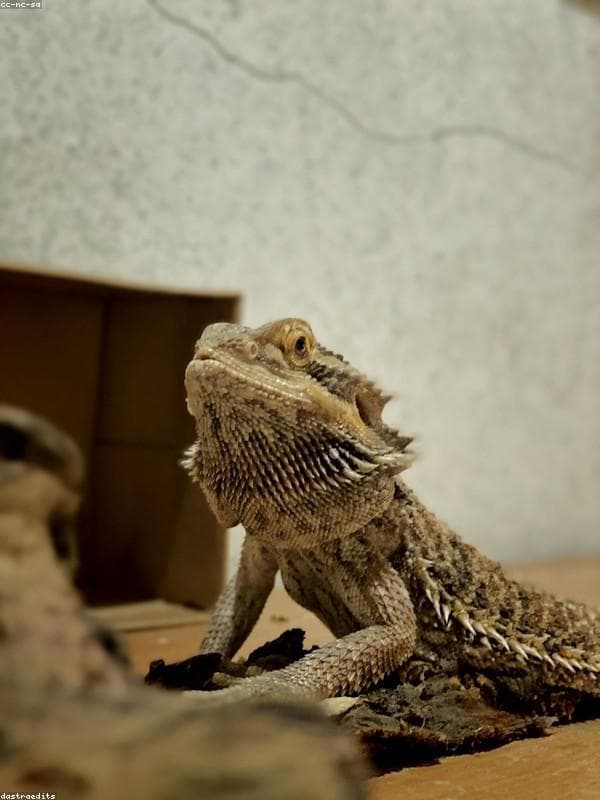
5 min read
Understanding heat gradients and thermoregulation
Reptiles are ectothermic — they rely entirely on their environment to regulate body temperature, digest food, and stay active. A vivarium without a proper thermal gradient isn't just uncomfortable for the animal, it can lead to poor digestion, weakened immunity and, over time, serious illness.
What a gradient actually means
A thermal gradient is a range of temperatures across the enclosure, from a warm basking spot at one end to a cooler retreat at the other. This lets the animal move between zones to regulate its own temperature throughout the day, exactly as it would in the wild.
A single uniform temperature across the whole enclosure removes that choice entirely, regardless of how "correct" that single temperature might look on paper.
Measure it properly
Use a digital probe thermometer at both the basking spot and the cool end — not the dial on the thermostat, which measures air temperature near the sensor, not the surface temperature the animal actually experiences. Check readings at different times of day, since room temperature affects the whole gradient.
Species-specific ranges matter
A bearded dragon's basking spot needs to run considerably hotter than a corn snake's warm end. Look up the specific range for your species and life stage before setting anything up — juvenile and adult requirements sometimes differ too.
Always use a thermostat
A heat source without a thermostat can overheat an enclosure fast enough to be fatal. Every heat mat, bulb or ceramic heater should be controlled by a thermostat rated for its wattage, with the probe positioned close to the basking surface, not floating in open air.